Reflection Without Self Criticism: A Healthier Way to Review Your Year
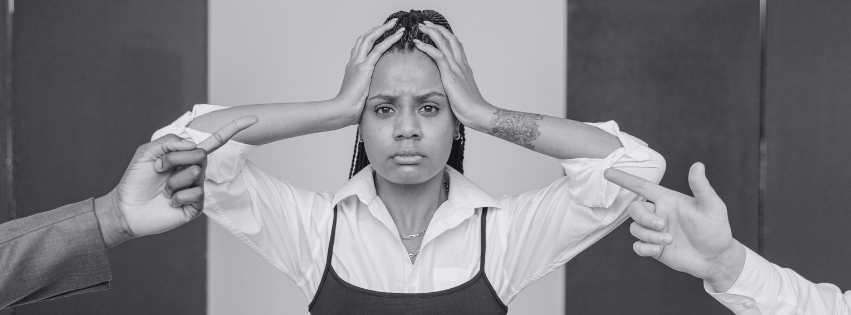
Self criticism is often mistaken for accountability. Somewhere along the way, many of us learned that being hard on ourselves would keep us motivated, ethical, or improving.
But psychologically, self criticism rarely creates clarity. More often, it activates threat responses. The body tightens. The mind narrows. Reflection becomes distorted, focusing on what went wrong while overlooking context, effort, and learning.
When reflection feels unsafe, the system protects itself. You might avoid thinking about the year altogether. Or you might replay moments repeatedly, searching for mistakes rather than meaning.
Neither response creates the insight you are actually seeking.

Healthy reflection is not an audit of your worth. It is a process of sense making.
At its best, reflection helps you notice:
• What supported you this year
• What drained you
• Where you grew, even if it was subtle
• What no longer fits the person that you are becoming
Reflection is meant to expand awareness, not contract it. It should leave you with more understanding, not more self doubt.
This is particularly important for therapists, whose work already requires emotional labour, a large amount of responsibility, and ongoing attunement. You do not need reflection to be another place where you hold yourself under a microscope.
Instead of asking yourself what you did wrong, consider questions that support regulation and insight. Here are some questions you may find helpful:
📌 What did this year ask of me, personally and professionally?
📌 What did I learn about my capacity, my limits, and my needs?
📌 Where did I show resilience that I may have overlooked?
📌 What felt aligned, even briefly?
📌 What felt heavy, unsustainable, or out of step with who I am now?
These questions are not about judgement. They are about orientation. They help you locate yourself honestly, without shame.

Many people feel pressure to end the year with clarity. A plan. A clear direction for what comes next.
But clarity does not always arrive through thinking harder. Often, it arrives through permission. Permission to pause. Permission to not know yet. Permission to acknowledge that you may be outgrowing old roles, structures, or identities.
For therapists, this can show up as a quiet restlessness. It may be a sense that the work you once loved feels different now. Perhaps there’s a curiosity about coaching, teaching, consulting, or working in a more future focused way. Or it may simply be a desire to work differently, not more.
These experiences do not mean that you are ungrateful or failing. They are often just a signal.
When reflection is done well, it becomes a bridge between who you have been and who you are becoming.
It allows you to integrate the year rather than judge it. To carry forward what matters. To loosen your grip on what no longer serves you.
This kind of reflection creates space. Space for new ideas to emerge. Space for different forms of work. Space for more aligned ways of using your skills and wisdom.
📌 You do not need to decide everything now. You only need to listen with honesty and care.

As you close out this year, consider this your invitation to reflect without self criticism.
You can acknowledge challenges without turning them into personal failures.
You can recognise growth without needing it to look impressive.
You can honour your effort without minimising your fatigue.
Whether you are staying exactly where you are, or beginning to explore what might be next, reflection done safely will support you far more than self judgement ever could.
Growth does not require harshness. It requires awareness, compassion, and the courage to notice what is true for you now.
And that is always enough - just to begin.
📝 A NOTE FROM DR NAT
As this year comes to a close, I want to thank you for being here. For reading, reflecting, and engaging in these conversations with such thoughtfulness. It is a privilege to support therapists who care deeply about their work, their integrity, and their own ongoing development.
My work is rooted in creating spaces where growth feels supported rather than pressured. Where reflection leads to clarity, not self judgement. And where therapists are encouraged to evolve in ways that honour both who they are and who they are becoming.
Wherever you find yourself right now, I hope this reflection offers steadiness, perspective, and permission to move forward with care. Your growth matters. And you do not have to navigate it alone.
With appreciation,

References:
American Psychological Association. (2023). Self-reflection and professional growth. https://www.apa.org/monitor/nov01/selfreflection
Australian Psychological Society. (2022). Reflective practice and psychologist wellbeing. https://psychology.org.au/for-members/resource-finder/resource-reflective-practice
Gilbert, P. (2010). Compassion focused therapy: Distinctive features. Routledge.
Neff, K. D. (2011). Self-compassion: The proven power of being kind to yourself. William Morrow.
Neff, K. D., & Germer, C. K. (2018). The mindful self-compassion workbook: A proven way to accept yourself, build inner strength, and thrive. Guilford Press.
Schön, D. A. (1983). The reflective practitioner: How professionals think in action. Basic Books.
Siegel, D. J. (2020). The developing mind: How relationships and the brain interact to shape who we are (3rd ed.). Guilford Press.
Stay connected...
Stay Connected...
Join our mailing list to receive the latest news and updates from our team.
Don't worry, your information will not be shared.
We hate SPAM. We will never sell your information, for any reason.